

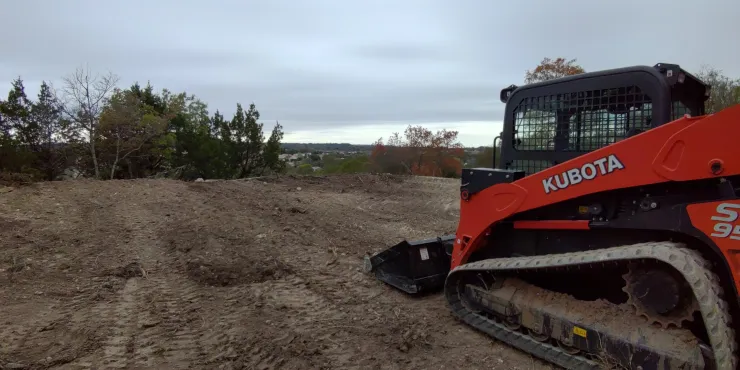
Enhancing your property’s value, safety, and ecological balance begins with thoughtful land management. Whether you’re preparing for agricultural use, development, or improving aesthetics, strategic planning makes all the difference. This guide explores the many facets of effective land clearing and management, tailored for property owners who want lasting, sustainable results. For those seeking Weatherford land clearing services, this resource provides both insight and actionable direction.
The Importance of Intentional Land Planning for Property Optimization
Clearing the land plays a pivotal role in renovating any space, essential not solely for visual reasons but also for boosting ecological well-being and productivity.
When trees, shrubs, and debris congest a plot, they can hinder flourishing and generate a breeding ground for pests and diseases. For agricultural lands, productive land clearing readies the soil for cultivation by eliminating flora that competes for nutrients and moisture.
The health of your property relies on prudent land governance. By discarding these obstructions, you pave the way for improved water drainage, greater sunlight infiltration, and a more harmonious ecosystem that nurtures the development of desired plant varieties.
Furthermore, clearing the land decreases the risk of wildfires in fire-prone regions, contributing to the overall safety of the surrounding community and natural habitats.
Dispelling Myths: What Strategic Land Management Truly Entails
In spite of its importance, land clearing is regularly shrouded in misconceptions that can deter property owners from undertaking essential initiatives.
A regular myth is that land clearing is merely about chopping down trees and removing shrubbery, but this oversimplifies the process.
In actuality, land clearing involves a comprehensive approach that includes site assessment, environmental consideration, and planning. A sustainable strategy is critical, particularly when one considers the potential impact on local wildlife and plant species.
Additionally, land clearing does not just mean deforestation; it often includes controlled thinning of forests where needed, thereby promoting biodiversity and healthier ecosystems.
Educating oneself on the specifics of land clearing ensures that property owners can make informed decisions that benefit both their land and the environment.
The Role of Land Clearing in Achieving Sustainability
As global consciousness around sustainability increases, land clearing plays an intriguing part in finding equilibrium between ecological well-being and development.
Smartly executed clearing can facilitate reforestation and restoration when coupled with eco-conscious practices. For instance, selective removal is a technique that lessens environmental impact while preparing terrain for future growth.
In addition, clearing can help cultivate green spaces in cities, supporting biodiversity and air quality.
By considering Weatherford land clearing through a sustainability lens, property owners can redesign spaces to fulfill both human needs and environmental health, harmonizing ventures with modern conservation values.
Manual versus Mechanical Clearing: Considering the Options
Manual Clearing
Manual clearing is the painstaking work of utilizing hand tools to remove greenery and debris. This approach benefits smaller areas or where precision is paramount.
Manual techniques permit thoughtful choice around which plants to preserve, advancing biodiversity and disruption minimization. However, this method can be labor-intensive and time-consuming.
Mechanical Clearing
In contrast, mechanical clearing employs advanced equipment like bulldozers, excavators, and chippers, significantly accelerating the process for more extensive tracts.
While mechanization decreases labor costs and time, potential downsides include soil compaction and collateral damage to surrounding flora if not managed judiciously.
Contemplating your project’s scale and ecological sensitivities can guide choosing between these strategies—or combining them for optimal outcomes.
Navigating Legal Requirements: Permits and Regulations for Clearing Land
Your Guide to Comprehending Nearby Zoning Laws
Before starting any clearing of land endeavor, understanding nearby zoning laws is paramount.
Zoning regulations govern how land can be utilized, affecting everything from what structures may be built to which natural assets may be altered. Property owners must familiarize themselves with these legal frameworks to avoid heavy penalties.
How to Secure the Necessary Permits for Your Project
Securing permits begins with submitting formal documentation that outlines the project’s scope. Engaging openly with local regulators helps streamline the process.
Understanding approval timelines and environmental assessments will support smoother project completion for your Weatherford land clearing efforts.
Environmental Considerations and Compliance in Land Clearing
Environmental implications cannot be overstated. Identifying local flora and fauna critically evaluates potential impact.
Implementing erosion controls after clearing—like sowing native grasses or using silt fencing—can reduce harm to water bodies.
Planning with environmental awareness allows landowners to both comply with regulations and demonstrate stewardship.
Optimally Configuring Space: Strategies for Post-Clearing Landscape Design
Transformed Terrain Presents Possibilities
After clearing, opportunities arise for sustainable landscaping.
Native plants thrive with less irrigation and support wildlife. Adding features like ponds or vertical gardens fosters a calming, biophilic space.
Integrating Utilities and Infrastructure
Installing water, electricity, and sanitation systems post-clearing demands coordination with soil and topography.
Using permeable surfaces helps manage drainage and supports underground water systems, especially crucial in sustainable Weatherford land clearing initiatives.
Future-Proofing Your Property: Tips for Long-term Maintenance
Land clearing is just the beginning of responsible property stewardship.
Monitoring for invasive species and scheduling regular evaluations helps avoid long-term issues. Composting, mulching, and community conservation initiatives all contribute to property health and environmental resilience.
By committing to long-term care, property owners ensure that Weatherford land clearing efforts result in not just transformation—but lasting positive impact.
