

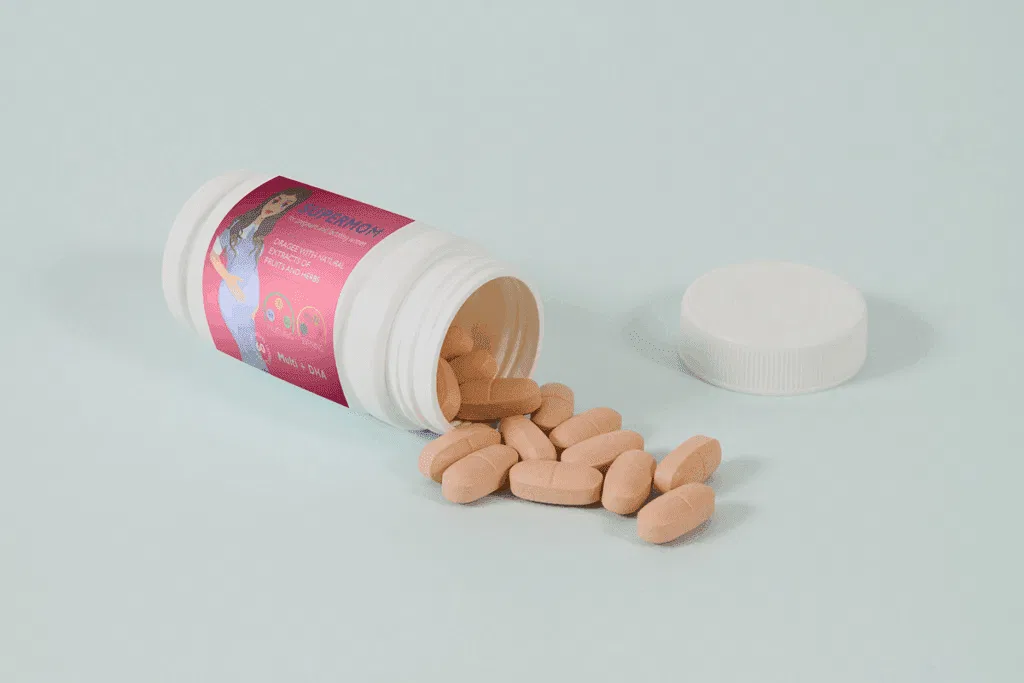
The journey of pregnancy demands an extraordinary amount of physiological coordination from a woman’s body. From the moment of conception, the maternal system undergoes profound alterations to create, sustain, and protect a developing life. To support this rapid cellular growth and structural development, the nutritional requirements of a pregnant woman escalate dramatically. While a balanced diet remains the foundation of good health, meeting these heightened micronutrient demands through food alone is often incredibly difficult.
This is where prenatal vitamins play a vital role. Unlike standard multivitamins, prenatal supplements are specifically formulated to address the unique nutritional gaps that occur during gestation. Among the complex array of nutrients packed into these supplements, two specific components stand out as absolutely non-negotiable for fetal health: folic acid and iron. Understanding the biological imperatives behind these two micronutrients can empower expecting mothers to make the best choices for their long-term health and the development of their children.
The Biological Powerhouse: Folic Acid and Neural Tube Development
Folic acid is the synthetic form of folate, a water-soluble B vitamin naturally found in leafy green vegetables, citrus fruits, and legumes. In the realm of prenatal development, folic acid is arguably the most critical micronutrient during the first few weeks of pregnancy, a time when many women do not even realize they are pregnant.
Preventing Neural Tube Defects
The primary reason medical professionals emphasize folic acid is its role in the formation of the neural tube. The neural tube is the embryonic structure that eventually differentiates into the baby’s brain and spinal cord. This tube begins forming almost immediately after conception and must close completely by the 28th day of pregnancy.
When the body lacks sufficient folic acid, the neural tube may fail to close properly. This failure results in severe congenital conditions known as Neural Tube Defects (NTDs). The two most common NTDs are spina bifida, a condition where the spinal cord and backbone do not close completely, and anencephaly, a catastrophic underdevelopment of the brain and skull. Clinical studies have consistently demonstrated that adequate folic acid intake before conception and during early pregnancy reduces the incidence of these defects by up to seventy percent.
Cellular Division and DNA Synthesis
Beyond the nervous system, folic acid is indispensable for basic cellular mechanics. Pregnancy is characterized by a massive explosion of cellular replication. Folic acid acts as a necessary coenzyme in the synthesis of nucleic acids, which are the building blocks of DNA and RNA. Without sufficient folate levels, the process of cell division slows down, which can impair the growth of the placenta and restrict the overall development of the fetus.
Timing and Recommended Dosage
Because the neural tube closes so early in the first trimester, waiting until a positive pregnancy test to begin taking folic acid is often too late to provide maximum protection against NTDs. Consequently, major public health organizations recommend that all women of childbearing age consume 400 micrograms of folic acid daily. Once pregnancy is confirmed, the daily recommendation typically increases to 600 to 800 micrograms, depending on individual medical histories and risk factors.
Sustaining the Blood Supply: The Critical Role of Iron
While folic acid dominates discussions surrounding early embryonic structure, iron becomes increasingly paramount as the pregnancy progresses into the second and third trimesters. Iron is an essential mineral required for the production of hemoglobin, a protein found in red blood cells that carries oxygen from the lungs to the rest of the body.
Meeting the Demands of Maternal Blood Expansion
During pregnancy, a woman’s total blood volume increases by roughly forty to fifty percent. This massive expansion is necessary to supply the growing uterus, facilitate the exchange of nutrients across the placenta, and protect the mother against the blood loss that naturally occurs during childbirth.
To manufacture the millions of new red blood cells required to fill this expanded circulatory system, the body needs a substantial influx of iron. If iron intake is insufficient, the maternal body cannot produce enough hemoglobin, leading to a condition known as iron deficiency anemia.
Fetal Brain and Tissue Oxygenation
The developing baby is entirely dependent on the mother’s circulatory system for survival. Oxygen is the primary fuel required for every single developmental milestone in the womb. Iron ensures that the blood traveling through the umbilical cord is rich in oxygen. Furthermore, the fetus actively siphons iron from the mother’s body to build its own independent iron stores, which the baby will rely on during the first six months of life outside the womb before transitioning to solid foods.
Risks of Iron Deficiency Anemia
When maternal iron levels drop dangerously low, the consequences extend to both the mother and the infant. For the mother, severe anemia causes profound fatigue, weakness, dizziness, and a compromised immune system, making her more susceptible to infections. For the baby, maternal iron deficiency increases the risk of premature birth, low birth weight, and delayed cognitive or psychomotor development later in childhood. To mitigate these risks, the daily iron requirement jumps from 18 milligrams for non-pregnant women to 27 milligrams per day during pregnancy.
Optimizing the Absorption of Prenatal Supplements
Simply swallowing a prenatal vitamin every day does not guarantee that the body is absorbing the nutrients efficiently. Certain dietary habits and physiological factors can dramatically influence how well folic acid and iron are utilized by the body.
Enhancing Iron Retention
Iron supplements can sometimes be difficult for the digestive tract to process. To maximize absorption, iron should ideally be taken on an empty stomach with a beverage rich in vitamin C, such as orange juice. Vitamin C chemically alters iron into a form that is more easily absorbed by the intestines. Conversely, calcium, caffeine, and certain compounds in tea called tannins can severely inhibit iron absorption. Therefore, prenatal vitamins should not be taken alongside a glass of milk, a morning coffee, or calcium supplements.
Managing Gastrointestinal Side Effects
High doses of iron are notorious for causing mild gastrointestinal upset, including constipation, nausea, and bloating. If a prenatal vitamin causes significant discomfort, expecting mothers should consult their healthcare provider rather than abandoning the supplement entirely. Switching to a liquid formula, taking the vitamin with a small light snack, or splitting the dosage throughout the day can often alleviate these unpleasant side effects.
A Comprehensive Approach to Prenatal Health
While folic acid and iron serve as the twin pillars of prenatal supplementation, they work in tandem with a broader spectrum of nutrients. A high-quality prenatal vitamin will also contain adequate amounts of calcium and vitamin D to build the baby’s skeletal structure, iodine to support fetal thyroid function and brain development, and docosahexaenoic acid (DHA) to facilitate optimal eye and brain wiring.
It is critical to remember that prenatal vitamins are designed to supplement, not replace, a wholesome diet. Consuming nutrient-dense foods alongside a daily prenatal regimen ensures that the maternal ecosystem remains strong, resilient, and fully equipped to nurture a healthy newborn.
Frequently Asked Questions
Can I get enough folic acid and iron solely through a healthy organic diet?
While a diet rich in spinach, lentils, lean meats, and fortified grains provides excellent nutrition, it is exceedingly difficult to consistently reach the high levels of folic acid and iron required during pregnancy through food alone. Soil degradation, cooking processes that destroy heat-sensitive folate, and the low absorption rate of plant-based iron make supplementation a necessary safety net to guarantee fetal wellness.
What is the difference between folate and folic acid in prenatal vitamins?
Folate is the naturally occurring form of vitamin B9 found in whole foods, while folic acid is the synthetic form used in fortified foods and supplements. Folic acid is actually more stable and better absorbed by the human body than food-bound folate. Some modern prenatal vitamins use a methylated form of folate called L-methylfolate, which is beneficial for individuals who have a specific genetic variation that impairs their ability to convert standard folic acid.
Will taking extra prenatal vitamins make my baby grow faster or healthier?
No, taking more than the recommended daily dose of prenatal vitamins can be dangerous. While water-soluble vitamins like folic acid are generally excreted in urine when taken in excess, fat-soluble vitamins like vitamin A, D, and E can build up to toxic levels in the body. Excessive iron intake can also cause severe gastrointestinal distress and toxicity. Always stick to the dosage recommended by your healthcare practitioner.
Why do some prenatal vitamins omit iron or DHA from their formulation?
Some women experience severe morning sickness or pre-existing chronic constipation that is significantly worsened by the presence of iron in a multivitamin. To accommodate this, some manufacturers produce iron-free prenatal vitamins, allowing women to take their iron separately at a different time of day. Similarly, DHA is an oil, so it is often separated into a different softgel capsule because it cannot be easily compressed into a dry multivitamin tablet.
How long should I continue taking prenatal vitamins after giving birth?
It is highly recommended to continue taking prenatal vitamins throughout the postpartum period, especially if you are breastfeeding. Lactation places a massive nutritional demand on the mother’s body, as nutrients are continually drawn from maternal stores to enrich breast milk. Continuing the supplement helps replenish those lost stores and prevents maternal depletion.
Can men benefit from taking prenatal vitamins when trying to conceive?
While a man does not need the high iron levels found in prenatal vitamins, the antioxidants and zinc found in standard male preconception supplements are highly beneficial. Folic acid is also important for male fertility, as it plays a significant role in DNA synthesis during sperm production, contributing to overall sperm count and structural quality.
