

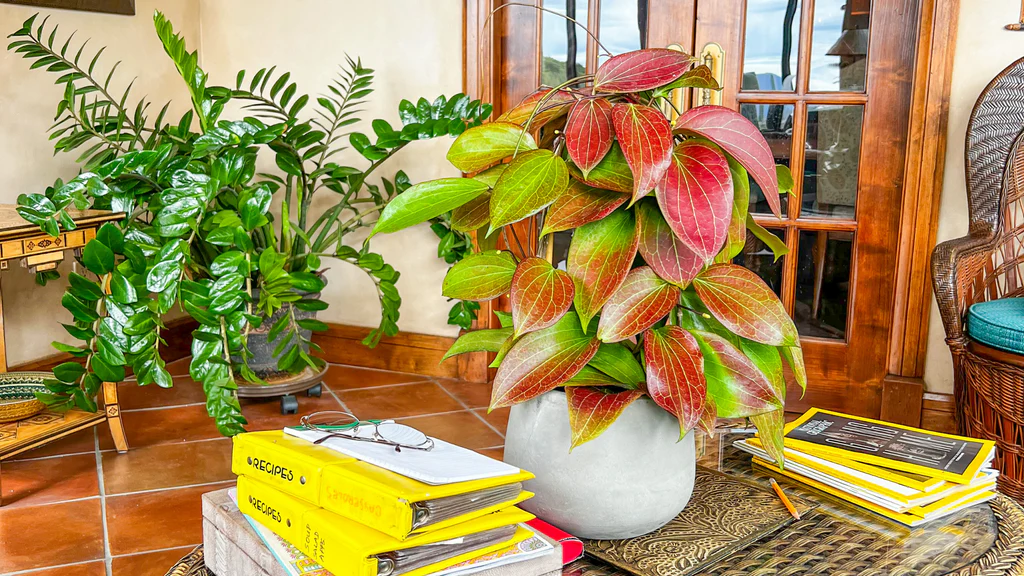
Bringing the outdoors inside is one of the most effective ways to transform a stagnant room into a vibrant, living sanctuary. Houseplants do far more than just fill empty corners or add a splash of color to a windowsill. They introduce texture, movement, organic shapes, and a sense of tranquility that manufactured decor simply cannot replicate.
Whether you reside in a compact urban apartment with limited sunlight or a sprawling suburban home with expansive windows, integrating indoor greenery can elevate your interior design strategy. By treating plants as structural elements, art pieces, and architectural highlights, you can create a dynamic, curated space that feels both sophisticated and deeply connected to nature. Here are ten gorgeous ways to style your home utilizing indoor plants.
1. Frame Your Windows with Climbing Vines
Windows are the natural focal points of any room, serving as the bridge between your interior world and the outdoors. You can accentuate this architectural feature by framing your windows with trailing or climbing houseplants. Pothos, Heartleaf Philodendron, and English Ivy are exceptional choices for this styling technique due to their rapid growth and flexible stems.
To achieve this look, place a potted vine on a shelf above the window or secure small, clear command hooks around the window frame. As the vines grow, gently guide them along the hooks to create a living valance. This method softens the sharp, hard lines of window frames and filters the incoming sunlight, casting beautiful, dappled shadows across the room throughout the day.
2. Design a High-Impact Living Gallery Wall
Gallery walls typically consist of framed photographs, paintings, and sketches. However, you can introduce a unique, three-dimensional element to this classic design choice by substituting artwork with a curated collection of wall-mounted plants. This approach creates a living tapestry that changes form and color as the seasons progress.
You can utilize specialized wall planters, geometric ceramic vessels, or floating wooden shelves arranged in an asymmetrical pattern. For a cohesive appearance, choose plants with contrasting leaf shapes and colors, such as the deep purple of a Calathea, the pale silvery-green of a Satin Pothos, and the stiff, upright spikes of a Staghorn Fern. Mounting a Staghorn Fern directly onto a wooden plaque is a particularly striking option that closely mimics traditional taxidermy art with a completely plant-based twist.
3. Anchor Your Space with a Statement Floor Tree
Every well-designed room requires a visual anchor, an item that immediately draws the eye and establishes the scale of the space. A large, mature statement tree functions beautifully as a living sculpture, bringing height and grandeur to living rooms, dining areas, or entryways.
When choosing a statement tree, look for species that boast distinctive architectural silhouettes. The Fiddle Leaf Fig remains a popular choice due to its massive, glossy leaves, while the Bird of Paradise offers an exotic, architectural drama with its wide, paddle-shaped foliage. If your aesthetic leans more minimalist or traditional, the slender, delicate branches of a Ficus Audrey or the feathered fronds of a Majesty Palm can provide a softer, more elegant focal point without overwhelming the surrounding furniture.
4. Utilize Hanging Planters to Maximize Vertical Space
When floor space and tabletop real estate are limited, look upward. Hanging plants utilize the often-neglected vertical dimension of a room, drawing the eye toward the ceiling and making a room feel taller and more expansive than it actually is.
Suspend a cluster of woven macrame hangers, sleek minimalist ceramic globes, or rustic terracotta pots from sturdy ceiling hooks. For the best visual outcome, stagger the heights of the hanging pots to create a sense of depth and rhythm. Plants that cascade dramatically downward, such as the String of Pearls, Boston Ferns, or a Burro’s Tail Succulent, work exceptionally well in these elevated positions, creating a waterfall effect of cascading greenery.
5. Style the Ultimate Botanical Bookshelf
Bookshelves are no longer reserved strictly for literature. Interspersing houseplants among your favorite book volumes, decorative objects, and framed photos breaks up the dense, rigid lines of a standard bookcase and adds a layer of organic texture.
When styling a botanical bookshelf, think about balance and asymmetry. Place a full, bushy plant like a Prayer Plant on top of a stack of horizontal books to vary the height. On a lower shelf, let a delicate Swiss Cheese Plant or a neon Monstera Adansonii weave its way in front of book spines. Ensure you place varieties that require lower light levels on the deeper, shaded shelves, while saving the sunlit top shelves for light-loving varieties like small succulents or a string of hearts.
6. Elevate Your Greenery with Graduated Plant Stands
Grouping multiple plants together in a single area can sometimes look cluttered if they are all sitting at the exact same level on the floor. To create a professional, tiered display, utilize plant stands of varying heights, materials, and styles.
Combining mid-century modern wooden stands, industrial iron pedestals, and woven rattan stools allows you to build a multi-level green vignette. Place the tallest, fullest plants at the back of the cluster and cascade down to the smallest varieties on the lowest surfaces. This tiered configuration mimics the natural layering of a forest floor, allowing each individual plant to receive adequate light while creating a lush, dense jungle effect in a designated corner of your home.
7. Transform Your Bathroom into a Tropical Spa Oasis
The bathroom is often overlooked during the decorating process, yet its naturally high humidity levels and warm temperatures make it the absolute perfect environment for many tropical plant species. Adding greenery to a bathroom instantly shifts the atmosphere from utilitarian to a relaxing, spa-like retreat.
Position a humidity-loving Boston Fern or a vibrant Zebra Plant on the edge of a soaking tub or on a vanity counter. If you have a walk-in shower with a window nearby, you can even hang bundles of fresh eucalyptus or a resilient air plant directly from the shower pipe. The steam from your daily showers will keep these plants thriving while they effortlessly soften the cold look of tile, porcelain, and metal fixtures.
8. Create a Low-Maintenance Centerpiece with Propagation Stations
Decorating with plants does not always require massive pots or fully grown trees. Glass propagation stations double as elegant, educational, and highly modern tabletop centerpieces. Watching new roots unfurl through clear glass adds a captivating element to your daily decor.
Select a sleek wooden stand that holds multiple glass test tubes, or simply arrange a collection of vintage amber glass bottles and clear crystal vases along the center of your dining room table or mantelpiece. Fill them with water and insert cuttings of Monstera, Pothos, or Coleus. The sunlight filtering through the water and glass creates a bright, luminous display that feels clean, intentional, and thoroughly contemporary.
9. Soften Rigid Corners with Large-Leafed Varieties
Every house has them: those awkward, empty corners behind a sofa, next to a television console, or at the end of a long hallway that feel cold and disconnected from the rest of the interior design. A carefully placed plant can bridge these gaps seamlessly.
Instead of filling a corner with a piece of furniture that might crowd the room, place a single, wide-leafed plant in a beautiful, high-quality ceramic or stoneware pot. Species like the Cast Iron Plant, the Elephant Ear, or a massive Monstera Deliciosa are ideal for this purpose. Their broad, sweeping leaves break up the harsh ninety-degree angles of the walls, introducing a soft, organic curvature that makes the entire room feel more inviting and complete.
10. Establish an Indoor Desktop Succulent Garden
For home offices, nightstands, or small kitchen counters, miniature succulent gardens offer a subtle, highly textured decorating solution. Because succulents and cacti grow slowly and require minimal watering, they are perfect for close-up viewing on surfaces where you spend a lot of time working or relaxing.
Rather than keeping them in individual plastic nursery pots, transplant a variety of small succulents into a wide, shallow concrete bowl or a repurposed vintage wooden drawer. Mix different shapes, such as the rose-like rosettes of Echeveria, the spiky texture of Haworthia, and the trailing beads of a String of Bananas. Top the exposed soil with fine white river pebbles or dark lava rock to create a clean, professional finish that looks like a miniature desert landscape.
Frequently Asked Questions
How do I choose the right pot style to match my existing home decor?
To maintain a cohesive aesthetic, align your planter choices with the overall design theme of your home. For modern or minimalist spaces, select matte white, black, or concrete pots with clean geometric lines. For a bohemian or eclectic vibe, opt for woven seagrass baskets, terracotta, or patterned ceramic pots. If your home leans traditional, classic urns, glazed stoneware, and metallic brass planters will complement your furniture beautifully.
Can I use artificial plants alongside real houseplants in my decor?
Yes, combining high-quality faux plants with real ones is an excellent interior design trick. Place your real plants in areas that receive optimal sunlight, such as windowsills and bright corners, so they can thrive. Then, use premium artificial plants in dark hallways, high shelves, or windowless rooms where real plants would struggle to survive. The presence of thriving, real greenery nearby will make the faux plants look much more convincing.
How can I protect my hardwood floors and furniture from water damage?
Water damage is a common concern when decorating with plants. Always utilize a waterproof saucer or tray underneath every porous pot to catch excess drainage water. For high-end wooden furniture or hardwood floors, place a cork mat or a felt pad beneath the saucer to prevent condensation buildup and scratch marks. Alternatively, practice cachepotting, which involves keeping the plant in a plastic liner and placing it inside a decorative, non-draining pot.
What are the best low-light plants for rooms with few or no windows?
If you are decorating a dim space, select plants that have adapted to the dark floors of tropical rainforests. The Snake Plant, ZZ Plant, Cast Iron Plant, and certain varieties of Aglaonema (Chinese Evergreen) can survive and maintain their color in exceptionally low-light conditions. While they will not grow as rapidly as they would in bright light, they will remain healthy and beautiful with minimal sunshine.
How do I prevent indoor plants from attracting unwanted pests into my home?
The best defense against houseplant pests is prevention and regular inspection. Before bringing a new plant into your home, thoroughly check the undersides of the leaves and the soil for signs of insects. Wipe the leaves regularly with a damp cloth to remove dust, which can attract spider mites. Additionally, avoid overwatering your plants, as consistently soggy soil creates the ideal breeding ground for annoying fungus gnats.
Should I arrange my houseplants by species or mix them together?
Mixing different species together generally creates a much more visually appealing and natural look than grouping the exact same type of plant together. When creating a plant vignette, aim to mix different leaf textures, color variations, and growth habits. For example, pairing a tall, shiny-leafed ZZ Plant with a soft, fuzzy Calathea and a trailing, delicate vine creates a beautiful contrast that captures interest.
