

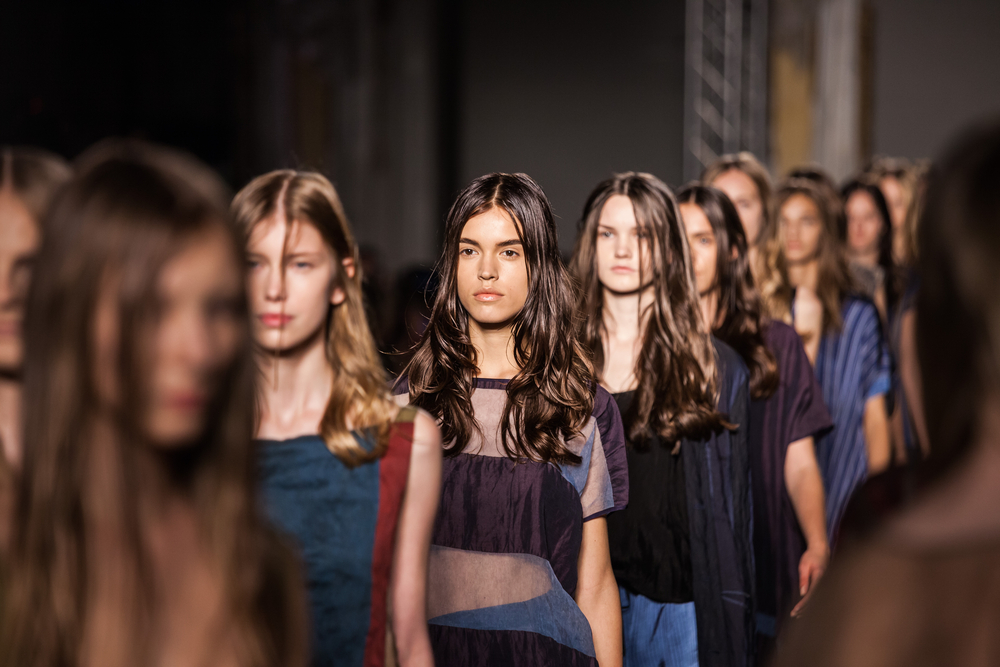
Fashion, often dismissed as frivolous or fleeting, is in truth one of the most enduring and complex forms of human expression. It is a cultural mirror, a social statement, and a personal canvas all at once. Beyond mere aesthetics, fashion is language—a way of communicating identity, mood, ideology, and aspiration without saying a single word. From the intricate textiles of ancient civilizations to the conceptual garments of modern haute couture, fashion reflects not only who we are but who we wish to become.
At its essence, fashion is about choices—what we wear, how we wear it, and what message we intend to convey. These choices are rarely made in a vacuum. They are influenced by a myriad of factors: social context, economic conditions, cultural heritage, personal taste, and even political sentiment. A leather jacket can symbolize rebellion, elegance, or nostalgia depending on the context. A tailored suit might convey authority in one setting, conformity in another. In this way, fashion operates on multiple levels, always balancing personal expression with social dialogue.
Historically, clothing has been inextricably tied to power and hierarchy. In many ancient cultures, sumptuary laws restricted certain colors, fabrics, or silhouettes to the elite. In Renaissance Europe, for example, purple was reserved for royalty due to the rarity and cost of the dye. Even today, echoes of this sartorial stratification persist—luxury brands, with their exclusivity and meticulous craftsmanship, continue to signal status and wealth. Yet, the democratization of fashion through mass production and digital platforms has transformed the landscape. Today, one need not be aristocracy to wear silk or designer labels; fast fashion has blurred the lines between aspiration and accessibility.
This democratization, however, brings both opportunity and complexity. On one hand, it allows individuals across socioeconomic backgrounds to participate in fashion trends, to engage in self-expression through clothing. On the other hand, it introduces questions about sustainability, ethics, and the commodification of style. The fashion industry, second only to oil in environmental impact, has come under scrutiny for its carbon footprint, labor practices, and waste generation. Conscious consumers now look beyond the label, asking not just what something costs, but who made it, how it was made, and at what environmental price.
In response, a new wave of designers and brands is championing slow fashion—a movement that emphasizes quality over quantity, timeless design over seasonal turnover, and transparency over opacity. This shift is not merely a trend; it reflects a deeper evolution in the values that underpin fashion. Consumers are rediscovering the joy of craftsmanship, the significance of heritage, and the elegance of restraint. In this context, minimalism becomes not a lack of style but a refinement of it—a thoughtful curation rather than mindless accumulation.
The rise of sustainability also intersects with another critical dimension of fashion: identity. For many, clothing is not simply about beauty or utility—it is about visibility. Marginalized communities have long used fashion as a means of resistance, pride, and self-affirmation. The LGBTQ+ community, for instance, has historically used style to subvert gender norms and claim space in a society that often seeks to erase them. Similarly, traditional dress has become a form of cultural reassertion in an increasingly globalized world. Wearing a sari, a dashiki, or a hanbok can be both a personal choice and a political act—one that honors heritage while challenging homogenization.
Digital culture has further complicated and enriched the fashion narrative. Social media platforms, particularly Instagram and TikTok, have turned everyday users into tastemakers and influencers. Fashion weeks, once the exclusive realm of editors and buyers, are now livestreamed to global audiences. Style inspiration can come from a Paris runway or a Seoul street corner within the same scroll. This immediacy has accelerated trend cycles but also fostered greater inclusivity. Fashion is no longer dictated solely from the top down; it emerges organically from communities, subcultures, and individual creators.
This democratization of influence, however, brings its own challenges. The speed at which trends evolve can be dizzying, leading to aesthetic fatigue and a sense of disposability. The pressure to constantly update one’s wardrobe to stay “relevant” can erode the deeper joys of fashion—joys found in craftsmanship, narrative, and personal evolution. It is here that the wisdom of classic style reasserts itself. True elegance lies not in constant reinvention but in coherence—a wardrobe built with intention, reflecting a life lived with awareness.
Fashion, after all, is not about chasing novelty for its own sake. It is about crafting a personal aesthetic that feels authentic, fluid, and alive. It involves understanding the interplay between form and function, color and mood, fabric and movement. It asks one to consider not just what is flattering, but what is meaningful. In this sense, fashion becomes a lifelong dialogue between the self and the world—a way of showing up, of being present, and of making the invisible visible.
Looking ahead, the future of fashion seems poised at a fascinating intersection: between technology and tradition, speed and sustainability, individuality and collectivism. Smart fabrics, AI-assisted design, and virtual fashion are opening new frontiers, while at the same time, there is a resurgence of interest in artisanal techniques, local production, and fashion as a medium of storytelling. The tension between these poles is not something to resolve, but to embrace. It reflects the richness and complexity of fashion’s role in our lives.
Ultimately, fashion is about more than clothes. It is about perception, emotion, and the endless human desire to create beauty and meaning. It is a cultural artifact and a personal journey, a commercial industry and a form of art. To dismiss fashion as superficial is to overlook one of the most intimate and revealing aspects of who we are. For in the cut of a coat, the drape of a dress, or the polish of a shoe, there is always something more—a whisper of intention, a trace of history, and a promise of what we might yet become.
