

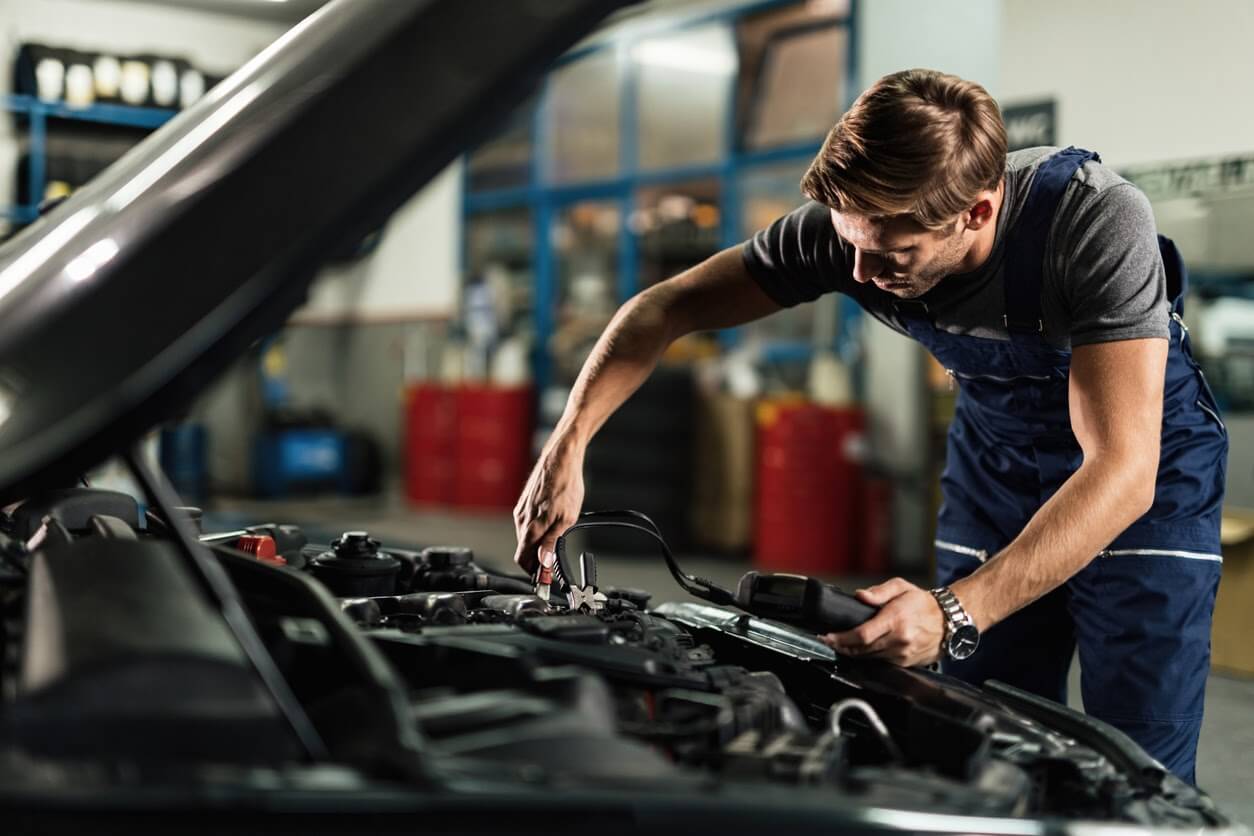
For most people, a vehicle is one of the largest financial investments they will make, second only to a home. Keeping that investment running safely and efficiently requires regular maintenance and occasional unexpected repairs. However, finding a trustworthy auto repair shop often feels like a daunting task. The automotive repair industry relies heavily on technical expertise, which can create an information gap between the mechanic and the vehicle owner. This gap sometimes leads to skepticism regarding fair pricing and the actual necessity of recommended repairs.
Choosing the right auto shop should not be an exercise in guesswork. By establishing a methodical evaluation process before an automotive emergency strikes, you can secure a reliable partner for your vehicle’s long-term care. Taking a strategic approach to selecting a repair facility helps ensure that you receive high-quality workmanship, transparent pricing, and professional customer service.
Look for Industry Certifications
The most reliable indicator of a shop’s technical competence is its collection of industry credentials. Anyone can open a garage and purchase tools, but reputable facilities invest heavily in the ongoing education and certification of their staff.
Automotive Service Excellence Certification
The gold standard for technician competence in the United States is the Automotive Service Excellence certification. When a shop displays the blue and white seal, it signifies that its mechanics have passed rigorous, specialized exams and possess at least two years of relevant work experience.
-
Master Technician Status: Look for shops that employ Master Technicians. This title is awarded only to mechanics who have successfully passed a comprehensive series of exams covering engine repair, electrical systems, brakes, suspension, and heating and air conditioning.
-
Recertification Requirements: Certifications are not permanent. Technicians must retest every five years to retain their credentials, ensuring they stay up to date with rapidly evolving vehicle technologies and complex computer systems.
AAA Approved Auto Repair Facilities
Another powerful endorsement is the AAA Approved Auto Repair designation. Shops carrying this approval have undergone a thorough inspection by the American Automobile Association. AAA evaluates the facility’s financial stability, equipment quality, staff training, and cleanliness. Furthermore, these shops must maintain a customer satisfaction rating of at least 90 percent based on random surveys conducted by the organization.
Evaluate Equipment and Specialization
Modern vehicles are essentially rolling computers wrapped in steel and aluminum. The days of diagnosing complex engine problems using only mechanical intuition are long gone. A reliable shop must possess the necessary tools to handle high-tech diagnostic challenges.
Manufacturer-Specific Diagnostic Tools
When vetting a facility, inquire about their diagnostic scanners. Universal scanners can read basic error codes, but factory-level software is required for deep-dive diagnostics into specialized modules like advanced driver assistance systems, transmission control units, and hybrid battery management systems.
Independent vs. Specialized Facilities
Decide whether your vehicle benefits more from a general repair shop or a specialized facility.
-
General Practice Shops: Ideal for routine maintenance like oil changes, brake replacements, and fluid flushes on common domestic and import vehicles. They generally offer lower labor rates and faster turnarounds for standard services.
-
Specialized Euro or Import Shops: If you drive a complex European luxury vehicle or an electric vehicle, a specialized shop is often preferred. These facilities invest in brand-specific tooling and maintain direct relationships with overseas parts suppliers, ensuring your vehicle receives components that meet precise original equipment manufacturer specifications.
Assess Transparency and Communication Protocols
Technical skill means very little if the shop fails to communicate honestly and transparently with its clientele. The best auto repair businesses prioritize clear, documented interactions to eliminate confusion and build trust.
Digital Vehicle Inspections
Top-tier modern auto shops utilize Digital Vehicle Inspections as a standard operating procedure. Instead of receiving a vague phone call listing a dozen abstract problems, the service advisor sends a comprehensive digital report directly to your smartphone.
-
Photographic and Video Evidence: The report includes high-resolution photographs and videos of your actual vehicle components. You can see the worn brake pads next to a measuring gauge or view a clear fluid leak occurring in real-time.
-
Color-Coded Priority Systems: These inspections categorize findings into immediate safety hazards, upcoming maintenance needs, and items that are completely healthy. This transparency prevents the shop from using high-pressure sales tactics for non-urgent repairs.
Written Estimates and Legal Protections
A reliable auto shop will never hesitate to provide a detailed, written estimate before picking up a wrench. This estimate should break down the exact costs of parts, labor, shop supplies, and environmental disposal fees. Legally, reputable shops adhere to consumer protection laws that prevent them from exceeding the written estimate by more than a specific percentage without obtaining your explicit authorization first.
Inspect the Facility and Customer Service Culture
The physical appearance of a shop and the professionalism of its front-office staff speak volumes about the quality of the work occurring in the repair bays.
Workplace Organization
While automotive repair is inherently dirty work, the customer lounge and the service bays should be organized and clean. An orderly shop reflects a culture of precision. If a business allows trash to accumulate on the floor and misplaces its diagnostic equipment, that same carelessness can easily translate into how they handle your vehicle’s engine components.
Warranty Policies
A shop’s confidence in its workmanship is directly reflected in its warranty policy. Avoid any facility that offers fewer than 12 months or 12,000 miles of coverage on parts and labor. Premium independent shops frequently offer nationwide warranties spanning 24 to 36 months, meaning that if a part fails while you are traveling out of state, the warranty repair is covered at an affiliated network garage at no cost to you.
Frequently Asked Questions
What is the true difference between OEM parts and aftermarket parts?
Original Equipment Manufacturer parts are produced directly by the vehicle maker or authorized suppliers and are identical to the components installed when the car was built. Aftermarket parts are produced by independent companies. While some aftermarket parts are lower in quality, many premium aftermarket components are re-engineered to fix known factory flaws and can match or exceed OEM durability at a lower cost.
Should I always take a brand new vehicle to the dealership to keep the warranty valid?
No, you are not legally required to service your vehicle at a dealership to maintain your factory warranty. Under the federal Magnuson-Moss Warranty Act, it is illegal for manufacturers to void a warranty simply because maintenance was performed by an independent mechanic. However, you must keep all receipts and itemized service records to prove that the scheduled maintenance was performed according to the owner’s manual intervals.
Why do labor rates vary so dramatically between different auto repair shops?
Labor rates reflect the shop’s overhead costs, geographic location, specialized equipment investments, and the experience level of the technicians. A specialized facility utilizing factory diagnostic computers and employing highly compensated Master Technicians will naturally have a higher hourly labor rate than a general shop using basic tools and entry-level mechanics.
What are shop supplies fees on a final automotive repair invoice?
Shop supplies fees cover the cost of consumable materials used during the repair process that cannot be easily measured for an individual vehicle. These items include aerosol brake cleaners, penetrant sprays, shop rags, specialized grease, floor mats, and steering wheel covers. This fee is typically calculated as a small, fixed percentage of the total labor cost.
How can I verify if an auto shop is recycling hazardous waste responsibly?
Reputable auto shops will display local environmental permits and list transparent environmental disposal fees on their invoices. These fees cover the cost of contracting certified waste management firms to safely haul away and recycle hazardous materials such as used engine oil, toxic antifreeze, heavy-metal car batteries, and worn rubber tires.
Is it acceptable to bring my own auto parts to a shop for installation?
Most professional auto repair shops decline to install customer-supplied parts due to liability and warranty complications. If a customer-supplied part fails after installation, a dispute arises over whether the component was defective or the labor was flawed. Additionally, shops rely on the markup of parts to remain profitable and to cover the cost of backing their work with a comprehensive warranty.
